
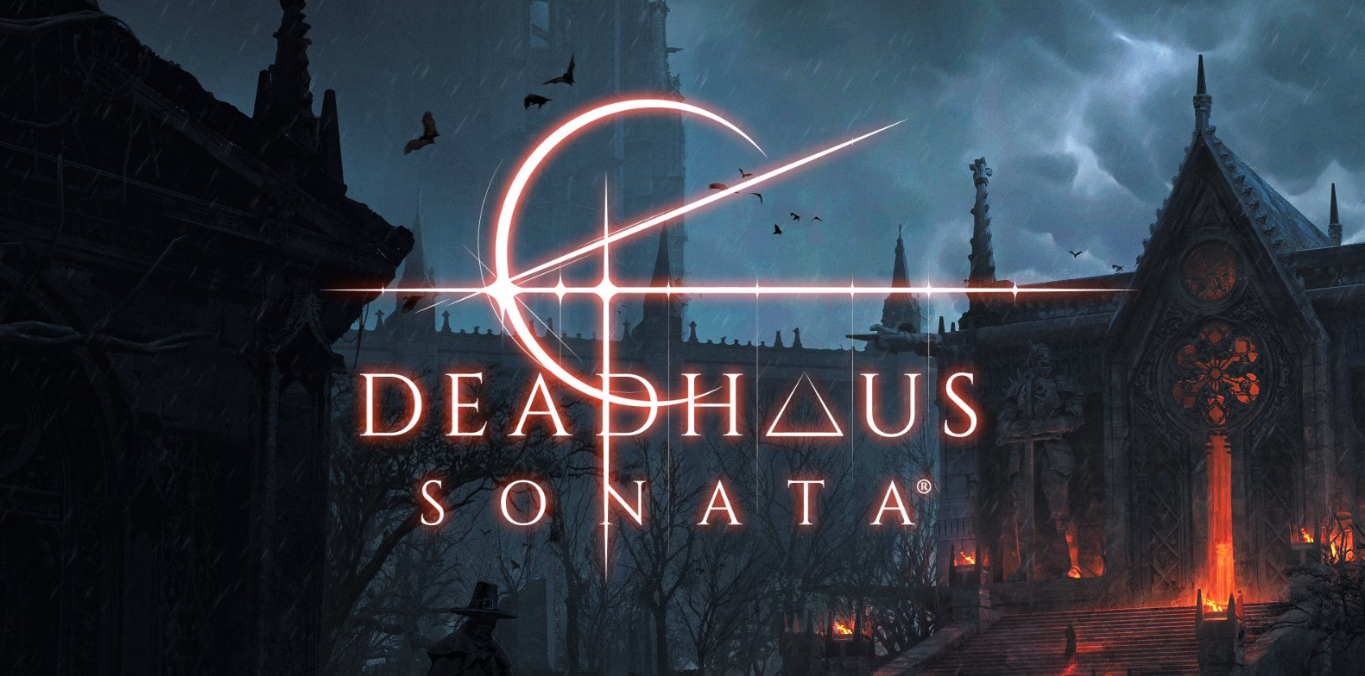
Preview played on PC.
First Impressions: Built for Legacy of Kain Fans
I’ll admit it, the moment I heard Deadhaus Sonata had involvement from Denis Dyack, my ears perked up like a bat.
The comparisons to Blood Omen: Legacy of Kain aren’t accidental either. Within the first hour, I found myself getting those same vibes. Dark fantasy. Vampires. Grandiose narration. Ancient histories. The feeling that you’re part of something much larger than yourself.
If you’re looking for a modern action RPG drenched in vampire lore, Deadhaus Sonata immediately grabs your attention.

The World of Malorum Is Drenched in Lore
This game absolutely loves its lore.
And I mean that as a compliment.
Missives, clan histories, audio recordings, world-building details, there’s an absurd amount of information here for players willing to dive in. The writing leans heavily into gothic fantasy, with dramatic narration chewing every piece of scenery it can find.
At times it felt like I was uncovering fragments of a lost vampire epic rather than simply progressing through quests.
For fans of rich world-building, this is easily the strongest aspect of the preview build.

Combat Shows Promise, But Needs Time
The combat is where things get a bit more complicated.
On paper, there’s plenty to like. Different weapons alter your attack chains, you can dodge, lock onto enemies, feed on victims to restore health, and build your character around Tarot Cards that unlock abilities.
The Tarot system is probably the most interesting mechanic currently in the game.
One card might let you transform into mist and zip around the battlefield, while another gives you a devastating spinning attack or a powerful health-draining bite. Better yet, these abilities can be modified through buffs that reduce cooldowns or increase damage.
It’s a cool foundation.
The problem is that it still feels like a foundation.

Enemy AI Is the Biggest Problem Right Now
Most of my frustrations came from enemy encounters.
Rather than creating interesting combat situations, enemies often just rush your position and swarm you. Fights quickly devolve into frantic button mashing as you’re interrupted from every angle.
There were several quests where the actual objective wasn’t difficult, the challenge came from dealing with endless enemies constantly getting in the way.
It’s the kind of issue that feels fixable, but it’s definitely noticeable in its current state.

Early Access Rough Edges Are Everywhere
This is very much an Early Access game.
Quest markers occasionally struggle to point you in the right direction. Certain systems, particularly the calendar and puzzle mechanics, feel underdeveloped or poorly explained. Some mechanics clearly need balancing passes.
To the developers’ credit, they’ve already been responding quickly to feedback and fixing major issues throughout the preview period. UI problems, missing prompts, and tutorial frustrations have already seen improvements.
That’s encouraging.
The Potential Is Obvious
What kept me interested wasn’t necessarily what Deadhaus Sonata is today.
It’s what it could become.
The atmosphere is there. The lore is there. The foundations of the combat system are there. You can see the shape of a genuinely compelling vampire RPG underneath the rough edges.
With plans for a lengthy Early Access period, the team has time to refine systems, improve AI, and flesh out mechanics that currently feel unfinished.
Final Thoughts
Deadhaus Sonata feels like a passion project made by people who genuinely love dark fantasy storytelling.
Right now, it’s rough. Combat needs work, enemy behavior needs serious attention, and several systems still feel half-formed.
But every time I dug into the lore or uncovered another piece of Malorum’s history, I found myself wanting to see more.
If you’re a fan of classic Legacy of Kain-style storytelling, this is absolutely one to keep on your radar.
The bones of something special are already here.