
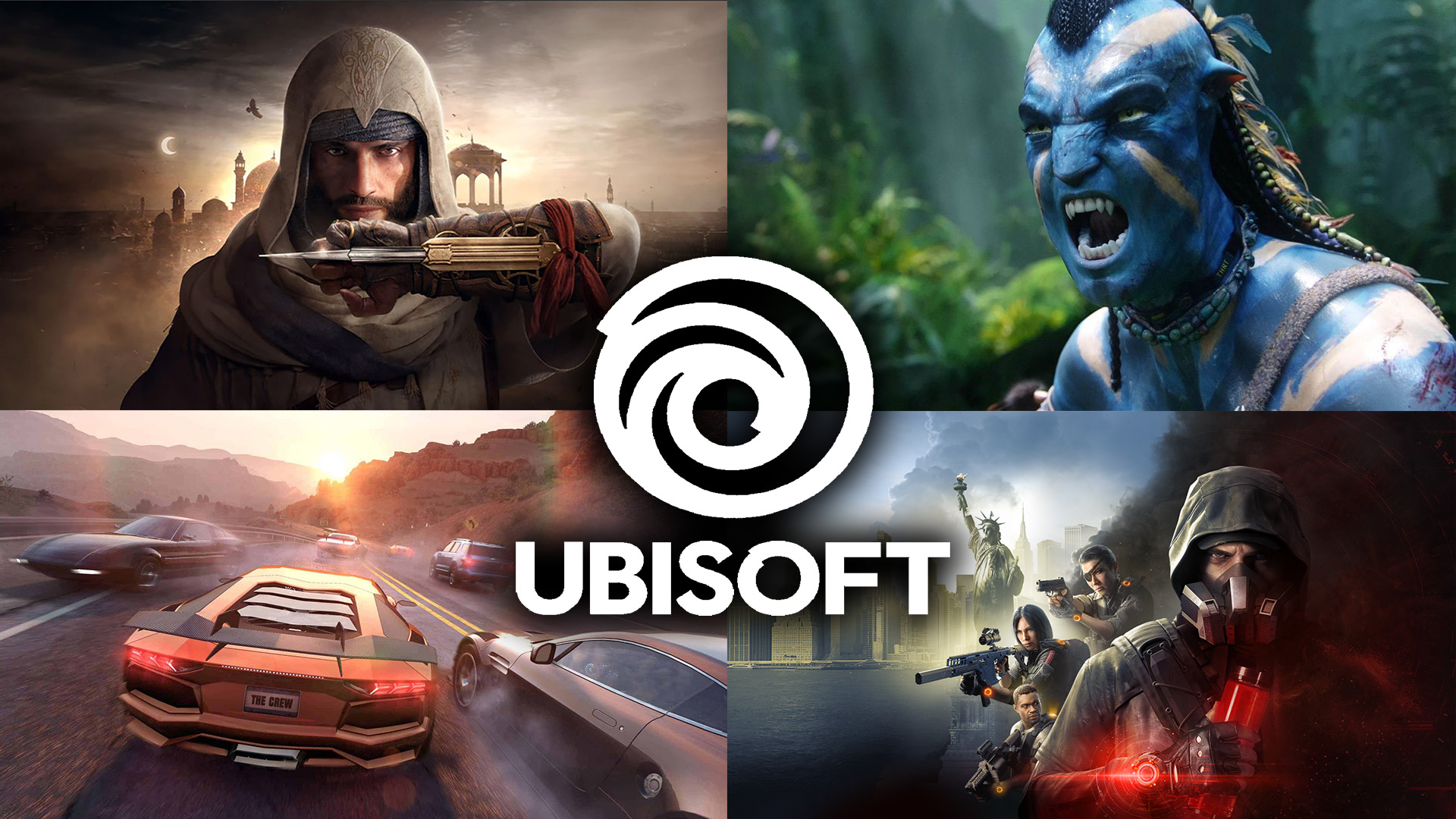
Ubisoft have somewhat awkwardly outlined their take on the current state of microtransactions making games “more fun” in their mission statement. This seems to be a common theme now for publishers when they have to justify their “loot box” or “surprise mechanics” (as said by EA), though it often seems to become a thorn in the side of most gamers. As many gamers share a similar sentiment in online communities, microtransactions nearly always lie at the very opposite end of fun.
Ubisoft have shared their beliefs about microtransactions in their releases, stating that their inclusion helps make games “more fun”, but at least the people over at the studio are aware enough to recognize they still need to “respect the player experience”. This revelation was made in Ubi’s recent annual report which was released last month but is now floating around the internet. However, in this document it was outlined that “Ubisoft is committed to creating gaming experiences that enhance players’ lives and environments in which they can fully enjoy the gaming experience with their friends in complete safety”.

In what is, for the most part, a very oddly phrased mission statement that tries to best represent the mindset in which Ubisoft’s strategy lies, they indicate their intention to adopt “monetization and engagement policies that respect the player experience and are sustainable in the long term.” Though the stated intent is to respect the player experience, their method of achieving that seems to fly in the face of the vocalized desires and dislikes that the majority of their fanbase have been expressing. Yes, the player experience needs to be respected and sustainable for both long-term player engagement as well as profit for the developers, but overwhelming microtransactions and live-service monetization models have proven to turn players away from a studio far quicker than drawing in a broader audience of longtime supporters.
One of the biggest hanging points being made in the statement from Ubisoft’s report is that it offers monetization within the more premium games, as it was said that “monetization offered within premium games makes the player experience more fun by allowing them to personalize their avatars or progress more quickly.” At this point the model seems to lean more into the pay-to-win and pay-to-progress formula, which in my opinion takes the true value of a game away from the user as they aren’t actually experiencing the title for what it was meant to be.

In titles with multiplayer components, these inclusions also make the experience unbalanced and less enjoyable for those that choose not to shell out more cash for the additional features. In multiplayer games such as Call of Duty and Fortnite, players can alter their avatar by purchasing cosmetics and items to flash their player up and give them a new personalized look. However, pay-to-win content is less forgivable, and Ubisoft have been criticized for this before, especially in Assassin’s Creed titles.
With that being said, if a quality expansion or game mode is added as post-release content, that doesn’t feel unnecessary or done out of greed. However, when a game releases, and on launch day there are a dozen character skins and weapons that must be separately purchased as they were not included in the game the player just bought… that feels a bit greasy to me, single player game or not.

With that said, there is clearly a demand for some microtransactions as they have remained a mostly online staple in the modern era of gaming, despite the pushback and outcry from fans as we have seen as other companies have come under fire for their more prevalent methods of online focused loot boxes, microtransactions, battle passes and other live-service mechanics.
Not all studios embrace a monetization-first approach though. The talented creators at CD Projekt Red, for example, have made it a point to share that they, “do not see a place for microtransactions in single-player games.” In time, many fans hope that Ubisoft will follow suit and recognize that players crave compelling narratives and complete games at launch, rather than the pressure to buy gameplay-advancing items or boosts to progress or compete.
Let us at Everything Nerd know what you think about microtransactions!