
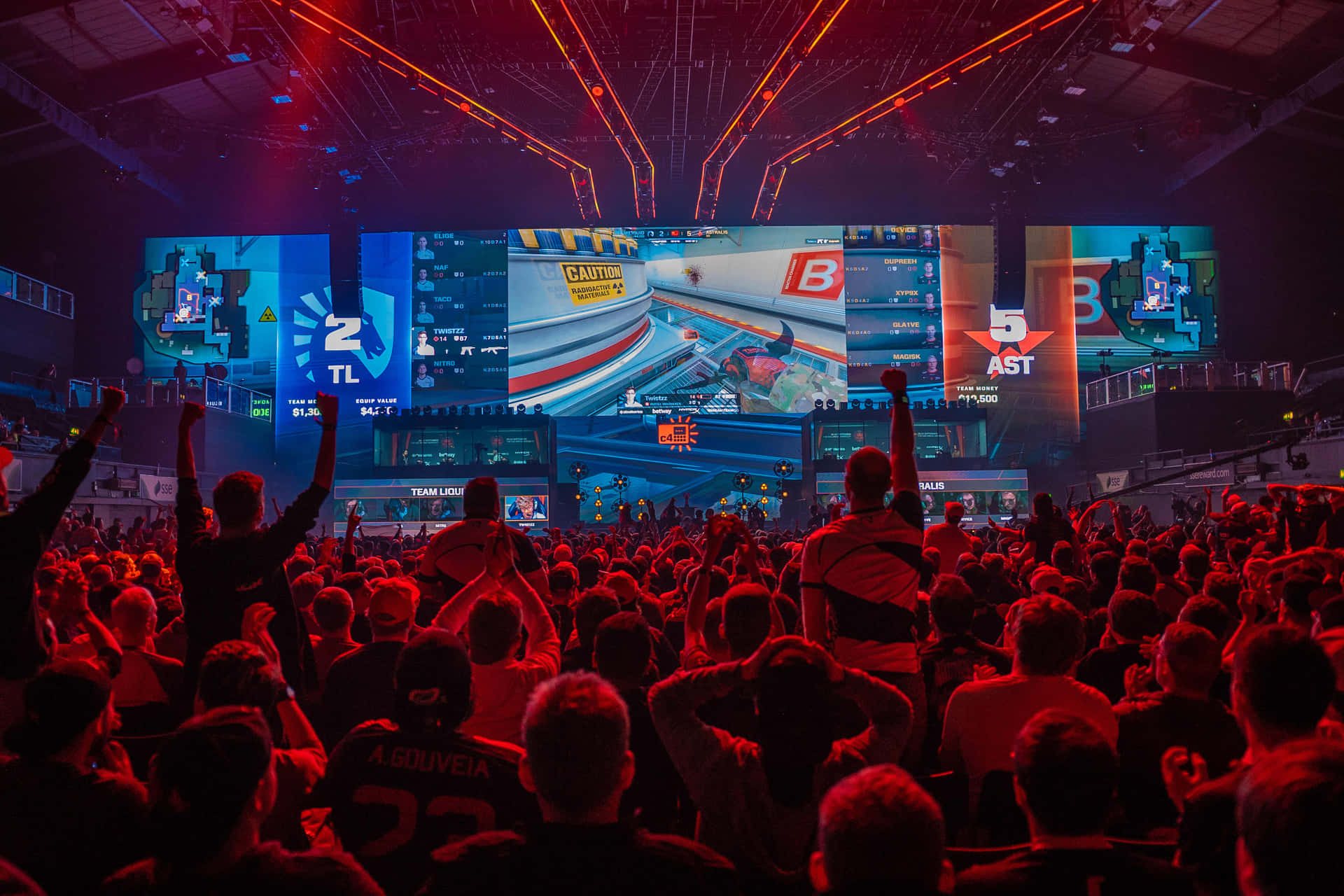
While most games don’t quite reach the expectations of every single player out there, there are definitely some titles that have been changed less because of the average player feedback and more due to the direction that competitors and streamers want to see the titles head in. Without further ado, let’s dissect the complex question of whether or not pro gamers are ruining games for the rest of us or perhaps improving the industry as a whole.
Many fans will argue the fact that professional video game players are pushing the gaming industry forwards and getting it the recognition it truly deserves. Many every day players will push back against that idea, as there are indeed some indications that these very same players are putting a chokehold on the rest of the gaming community in an overarching, negative way.
Now this won’t be me bashing these pros over the heads for what they have decided to do, but rather providing insight into what they are improving in the industry, and what they are effectively removing from the industry while creating a potentially negative impact on the majority of gamers.

I, for one, am no “professional gamer”. However, I do classify myself as a pretty in-tune and on-the-ball player. Since I first picked up video games, there have been players out there who will always have the advantage over myself and many other players, but the standard of gaming has changed over the years and this is down to video games evolving as a whole. Individual playstyles have to be adapted for the less hardcore gamers of us to keep up and maintain that competitive edge.
For example, back in the 2000s there were competitions like the now-memed MLG and even events such as the Electronic Sports World Cup back in 2003! Gaming was beginning to become arguably more competitive in the 2000s with the rise of head-to-head events surrounding certain games such as Halo and Counter Strike, and this was because the rise of broadband internet and multiplayer games had started to grow exponentially.
Heck, in the 2000s we went from LAN parties with some of the dudes off the block, taping a buddy to the ceiling because we needed the space, to major competitive gaming events which were being showcased on national television! Now, this isn’t to say that gaming competitions weren’t around before then, because they certainly were. As we know, there were competitions like Mortal Kombat tournaments and even Tetris showdowns, but never to this scale.

As we moved out of the early 2000s esports era, typical home gaming began to shift toward a more competitive focus, finding ways to shoehorn in multiplayer modes into titles with mechanics designed to reward skill and strategy, all while, at the time, striving to preserve the single-player narratives fans had grown to love. The rise of professional gamers brought significant advancements to the industry, prompting developers to tailor experiences for this emerging elite tier of play.
By the 2010s, esports was no longer just a niche market, it was a movement gaining serious traction. MLG remained a dominant force, while organizations like G2 began further shaping the competitive landscape. Suddenly, the average Joe had a shot at leveling up from a casual player to something far greater. The dream of going pro and gaining fame and accolades was no longer reserved for the exceptionally gifted; it was becoming accessible to a much broader audience, and that changed everything.
At the peak of Call of Duty in games such as Modern Warfare (the original), and Black Ops 1, came the era of bunny hopping and quick scoping, along with the old faithful dropshots. This was just the tip of the iceberg as basic moves became “pro gaming moves”, which led to so much content in the early YouTube era of gaming videos, where quick scoping became part of FaZe montages and the comedic classics like “OH BABY A TRIPLE” and, for those that know “MOM GET THE CAMERA!!”.
However, over recent years, we have seen more and more advancements in gaming, with more modern titles taking on slide mechanics, wall-running and other unique ways to gain an edge, even with certain weapons becoming a “meta” weapon. Back in my day with Black Ops 1 we had to just get good with certain guns and roll with the punches!
Now professional gamers and streamers are talking about game mechanics and how certain guns work to a massive audience through their platforms, and many of their opinions put pressure on developers to take their games in different directions and have often led to the removal or rebalancing of certain weapons or mechanics as they make a game “unplayable”.
While I agree that having the evolution of Esports has kept that competitive edge alive and made gaming become more of a viable career for people looking to start creating content based around gaming, I do also think it has had its drawbacks over the years for the average gamer.

Pros
Look, I’ll be the first to admit that there’s something undeniably cool about how far esports and pro gamers have pushed the industry. These players have helped legitimize gaming as more than just a hobby; it’s now a real career path with global reach, and that’s wild in the best way.
Their presence has helped bring polish to multiplayer systems, smarter matchmaking, and visibility to games that might’ve flown under the radar without a dedicated audience. And let’s not forget the communities that spring up around these figures, Discord servers, Twitch chats, etc. It’s created spaces where fans can actually feel connected. In a way, pro gamers have transformed gaming into a cultural movement, not just a pastime, and that’s something worth appreciating.
Streamers, as well as upper echelon competitive gamers of the like, showcase unique games and sometimes give fans new titles to look at and start giving them a try. A big example of this was Ninja for Fortnite. He got a whole community following the game and gave them tips and ways to do things within the game just by streaming and creating content around the game he was insane at. This is peak marketing without the developers or publishers having to spend a dime… most of the time.

Cons
Let’s be honest; Game design used to be about immersion, story, and the fun of discovering new mechanics organically. Now, it’s increasingly warped around what pro gamers and streamers want, and it’s messing with the balance for everyone else. Developers seem more concerned with tweaking weapon stats to appease a handful of streamers than creating content that resonates with the wider community. We used to be able to just pick up a game and play! No metas, no mandatory skill-canceling gymnastics., etc. Unfortunately, now it’s like every new title is built around sweaty lobbies and ridiculous superhuman mechanics that feel more like esports training sims than games made for fun and entertainment. Competitive gaming isn’t the enemy, but when it becomes the design blueprint, we lose the charm that made these titles special in the first place.
Take Battlefield for example; it received a lot of attention for its multiplayer and how competitive it could be, and so EA made the decision to shorten and even remove their single-player experiences in some cases to cater to a more multiplayer forward approach. This wasn’t received well by the majority of their fans, but they seem to have realized this and have turned Battlefield 6 into a more dynamic and focused game such as Battlefield Bad Company 2 or Battlefield 4.
After a long day of work, many of us just want to hop on and enjoy a fun game. However, we are met with hopping, slide-cancelling and frustrating mechanics that make it difficult to compete with the more competitive and professional players. The best example of this is Call of Duty. They introduced a CDL multiplayer mode for more skilled players. However, this still bleeds through into regular online play, making it a frustrating infrastructure to hop on to. Not everyone is always going to bring their A game, but when I jump into games like Tom Clancy’s Rainbow Six Siege, I am often met with all manner of disrespect and toxic verbal abuse when I don’t do something right in the eyes of the “above-average” players. That just isn’t very fun!

Stepping away from the outright pros and cons, I sit on the boundary line. Since the takeoff of Esports and game streaming, I think gaming for the average gamer has suffered. In the hands of toxic player bases and over-hyped meta gaming, the average gamer struggles to find much joy in a more casual experience now. This makes me feel… not sad, but disappointed, like a disgruntled father ashamed of the gaming world as we now know it. We need more enjoyable content for the gamer that seeks entertainment from video games on a more basic level of skill.