
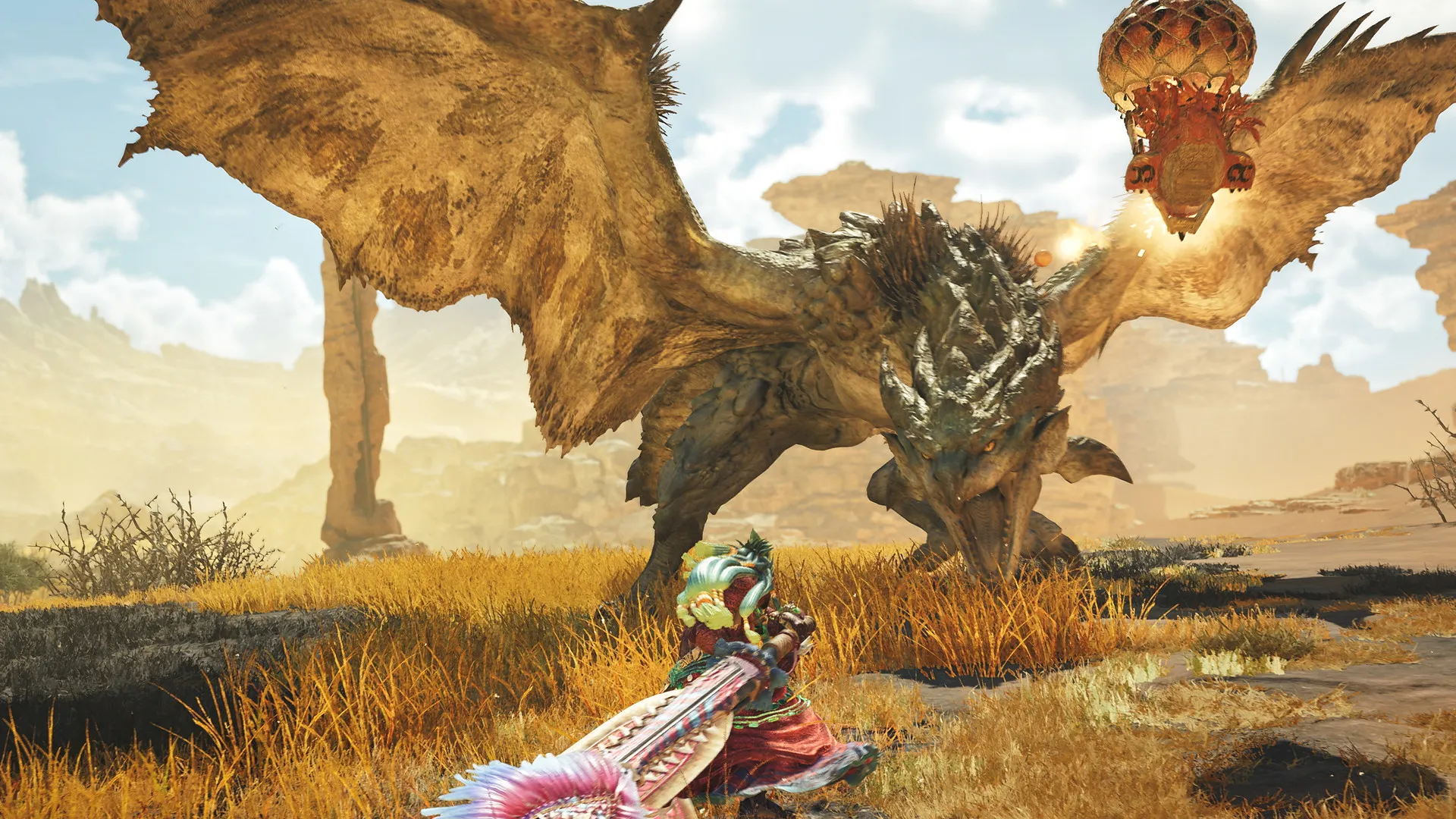
When Monster Hunter Wilds launched in February 2025, it got off to a strong start. The game sold 10 million copies in its first two months, marking a promising launch. However, according to Capcom’s Q1 financial report, which ended on June 30th, those sales have sharply declined. After its launch window, sales dropped by a staggering 95%, and the game now ranks as Capcom’s 9th highest earner of the year, behind older titles like Devil May Cry 4. Between April and June, Monster Hunter Wilds moved only 477,000 additional units. This drop in momentum has led to a 10% dip in Capcom’s stock value on the Tokyo Stock Exchange, raising alarms among both investors and fans.
So, what went wrong with a game from such a beloved and successful franchise?
Much of the blame lies with negative player sentiment, which is echoed by the Overwhelmingly Negative reviews on Steam. At launch, Monster Hunter Wilds suffered from poor performance even on high-end PCs. Months later, despite several patches, performance issues remain a major complaint. This is particularly puzzling, as Capcom is known for delivering solid PC ports. The technical issues have led many to speculate that the RE Engine, which powers Wilds, might be ill-suited for open-world design compared to the more linear experiences it’s typically used for in games like Resident Evil.

But the technical shortcomings are only part of the problem.
Longtime Monster Hunter fans are frustrated by excessive streamlining aimed at casual players. Many feel the game is far too easy, with a shallow endgame that lacks the content depth found in previous titles. This perceived drop in challenge and content has alienated core fans who have since returned to older entries in the franchise. While Monster Hunter World successfully attracted new players without alienating veterans, Wilds appears to have tilted too far toward accessibility.
Selling 10 million copies is no small feat, but it’s likely Capcom had much higher expectations. The company now faces the difficult task of regaining trust. That means addressing technical issues, revamping the endgame, and possibly rebalancing the difficulty to bring back lapsed players.
If the developers can’t course-correct soon, Monster Hunter Wilds risks becoming a cautionary tale about losing sight of your core audience, even in the pursuit of broader appeal.